Common Plumbing Problems in Singapore Homes and When to Call a Professional
Plumbing is one of those things most homeowners rarely think about until something goes wrong.
A leaking pipe under the sink, a clogged bathroom drain, or a sudden drop in water pressure can quickly disrupt daily routines.
What begins as a small inconvenience sometimes turns into a bigger repair if it’s ignored for too long.
In Singapore homes, plumbing issues are not uncommon.
HDB flats, condominiums, and landed properties all rely on a network of pipes and fixtures that work constantly behind the scenes.
Over time, normal wear and tear can lead to minor problems that eventually require attention.
The good news is that many plumbing issues follow familiar patterns.
Once you know what to look out for, it becomes easier to decide whether it’s something you can manage temporarily or a situation where a professional should step in.
Here are some of the most common plumbing problems in Singapore homes, and when it’s best to call a professional plumber.
1. Leaking Taps That Won’t Stop Dripping
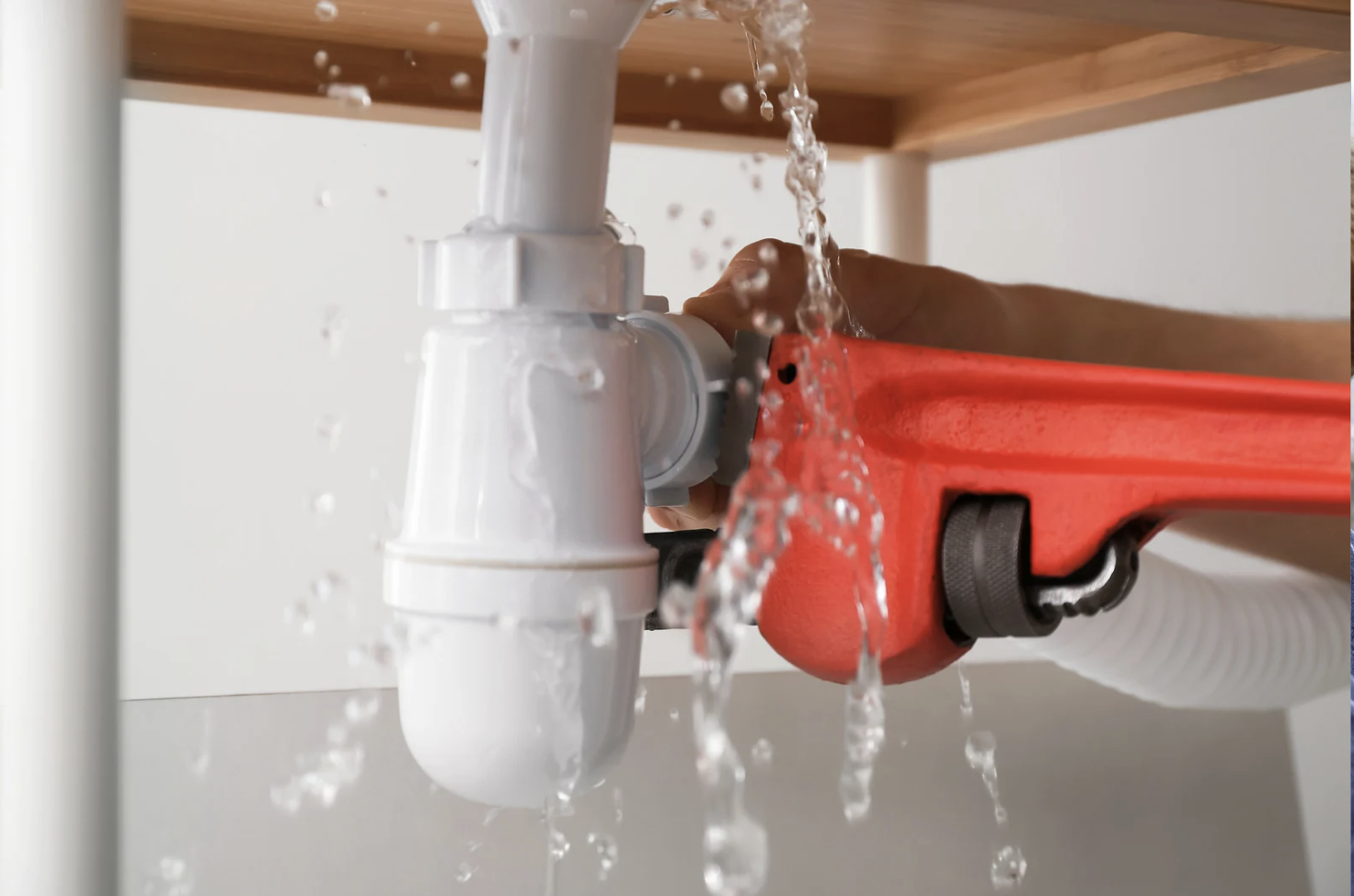
A dripping tap might seem like a small issue, but it’s surprisingly common in many households.
At first, the occasional drip may not feel urgent. But over time, that steady drip can waste water and slowly increase your utility bill.
Most leaking taps occur due to worn-out washers, loose components, or ageing fixtures. These parts naturally wear down after years of daily use.
Common signs include:
- Continuous dripping even when the tap is fully closed
- Water is pooling around the base of the tap
- A squeaking or stiff handle when turning the tap
In some cases, replacing a washer can solve the problem. However, if the leak continues or the fixture itself is damaged, it’s usually better to call a professional plumber to avoid further complications.
2. Slow or Clogged Drains
Another issue many homeowners experience is slow drainage in sinks, showers, or floor traps.
This often happens when debris gradually builds up inside pipes.
In kitchens, the culprit is usually grease, food particles, and soap residue.
In bathrooms, hair and soap scum tend to accumulate over time.
Some early warning signs include:
- Water is draining more slowly than usual
- Unpleasant smells coming from the drain
- Gurgling sounds inside pipes
Simple blockages can be cleared using basic tools or drain cleaners.
However, persistent clogs may indicate a deeper blockage in the plumbing system.
If the same drain keeps clogging repeatedly, a professional plumber may need to inspect the pipes using specialised equipment.
3. Low Water Pressure
Low water pressure can make everyday tasks surprisingly frustrating. Washing dishes, showering, or even filling a kettle can take longer than usual when the water flow is weak. Several things can cause this issue.
For instance:
- Mineral buildup inside pipes
- Faulty valves or fixtures
- Hidden pipe leaks
- Issues within the building’s water supply system
Sometimes the problem is isolated to a single tap or showerhead. In other cases, it affects the entire home.
If multiple fixtures experience low pressure simultaneously, it’s usually best to have the plumbing system inspected.
A professional plumber can identify whether the issue lies within your unit or the broader building supply.
4. Running Toilets
A running toilet is another surprisingly common plumbing problem. When a toilet continues to run long after flushing, it often means that water keeps flowing into the tank without stopping properly. This usually happens because of issues with internal components, such as:
- The flapper valve
- The fill valve
- The float mechanism
Besides the constant sound of running water, this problem can also lead to unnecessary water waste. While minor adjustments inside the tank may temporarily solve the issue, older toilet systems sometimes require replacement parts to work properly again.
If the problem continues after basic troubleshooting, a plumber can quickly diagnose and repair the faulty components.
5. Pipe Leaks Behind Walls or Under Floors
Some plumbing problems are easy to spot. Others remain hidden until they cause visible damage. Leaks inside walls or beneath flooring can be especially difficult to detect at first.
By the time they become obvious, water may have already damaged surrounding materials. Possible warning signs include:
- Damp patches appearing on walls or ceilings.
- Peeling paint or bubbling wallpaper
- Musty smells inside rooms
- Unexpected increases in water bills
Hidden leaks should always be taken seriously. Left unresolved, they may weaken structural elements or lead to mould growth.
Professional plumbers use specialised tools to detect concealed leaks without unnecessary damage to walls or flooring.
6. Water Heater Problems
Hot water is something many people take for granted until it suddenly stops working. Water heater issues can occur for several reasons, including faulty heating elements, thermostat problems, or sediment buildup inside the tank.
Common symptoms include:
- Water is not heating properly
- Inconsistent water temperatures
- Strange noises are coming from the heater
- Water is leaking near the unit
Because water heaters involve both plumbing and electrical components, repairs should generally be handled by trained professionals. Attempting complex repairs without proper knowledge can sometimes create additional safety risks.
7. Burst Pipes During Heavy Wear or Ageing Systems
Although less common, burst pipes are among the most serious plumbing emergencies. Pipes may burst due to ageing materials, corrosion, excessive pressure, or structural damage. When this happens, water can quickly flood parts of the home.
Signs that a pipe may be failing include:
- Sudden drops in water pressure
- Loud banging noises inside pipes
- Visible rust or corrosion on exposed plumbing
If a pipe bursts, the first step is usually shutting off the water supply immediately. After that, a professional plumber should inspect the system and repair or replace the damaged section.
Preventive Plumbing Tips Every Homeowner Should Know
Preventing plumbing problems is always better than fixing them. Here are some practical tips to keep your pipes and fixtures in good shape:
- Regularly check for leaks
Small leaks in taps, hoses, or pipes can worsen over time.
- Clean drains frequently
Prevent clogs by removing hair, soap scum, and food residues.
- Avoid chemical drain cleaners.
These can damage pipes. Opt for natural alternatives or professional services.
- Inspect water pressure
High pressure can stress pipes and cause leaks over time.
- Check water heaters
Regular inspection prevents breakdowns and ensures efficient operation.
Following these tips can help reduce the risk of plumbing emergencies and costly repairs.
Signs You Need a Professional Plumber
Sometimes DIY fixes aren’t enough. Recognising the signs that require a professional can save time and money.
- Slow-draining sinks or bathtubs
Persistent slow drains indicate a bigger clog deeper in the system.
- Recurring leaks
If leaks keep appearing after temporary fixes, it’s time to call a plumber.
- Unusual noises in pipes
Banging or gurgling sounds may indicate air pockets or pipe damage.
- Discoloured or foul-smelling water
This could be a sign of pipe corrosion or contamination.
- Sudden spike in water bills
Hidden leaks can waste water and increase your monthly bill.
Professional plumbers can diagnose problems quickly and ensure proper solutions.
Experienced plumbing professionals in Singapore have the tools and knowledge to diagnose problems and provide long-lasting solutions accurately.
Early repairs can also prevent small issues from turning into expensive renovations later.
Conclusion
Plumbing systems work quietly in the background of every home, which is why problems often catch homeowners by surprise. Fortunately, many plumbing issues start with small warning signs. A dripping tap, a slow drain, or a drop in water pressure might seem minor at first, but paying attention to these early signals can prevent bigger problems.
Regular maintenance and timely repairs help keep your plumbing system functioning smoothly for years to come. And when problems become too complex to handle alone, calling a professional plumbing service provider is often the safest and most practical solution
FAQs
1. What is the most common plumbing problem in Singapore homes?
Leaking taps and clogged drains are among the most common plumbing problems. These issues usually occur due to normal wear and tear or debris buildup in pipes.
2. Why is my water pressure suddenly low?
Low water pressure can be caused by mineral buildup, pipe leaks, faulty valves, or issues within the building’s water supply system.
3. How do I know if there is a hidden pipe leak?
Signs of hidden leaks include damp patches on walls or ceilings, musty smells, peeling paint, and unexplained increases in water bills.
4. When should I call a professional plumber?
You should call a professional plumber when plumbing issues persist, leaks become visible, or multiple fixtures in your home stop working properly.