Top 5 Virtual Reality Companies Shaping Singapore’s Digital Future
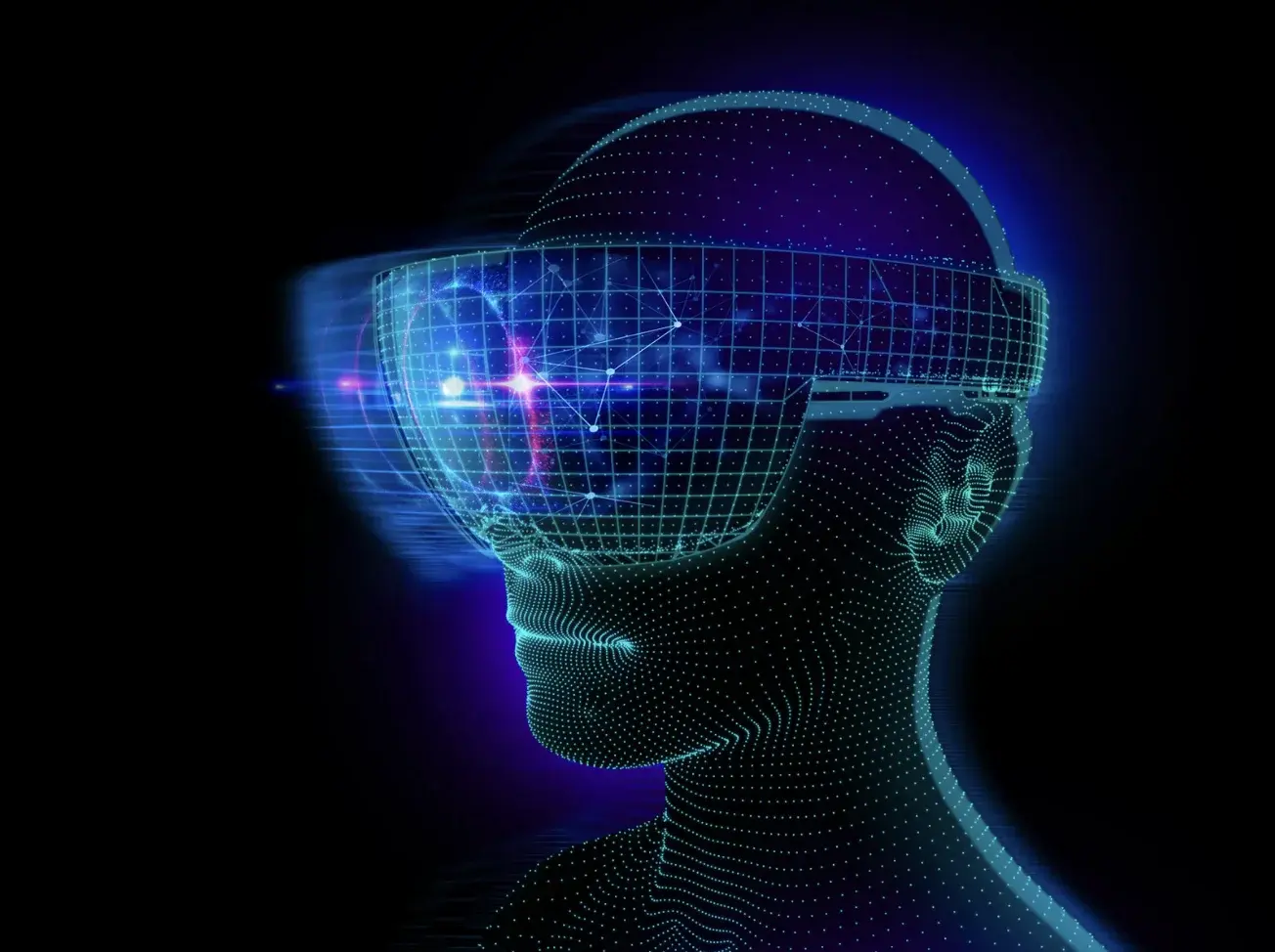
Singapore has always had an eye on the future. And just like the architecture and genuine lean toward technological advancements, virtual reality (VR) is in the equation, too. But as technology advances, VR is becoming more sophisticated, expanding way beyond gaming, and more virtual reality companies emerge daily.
VR in schools and hospitals in Singapore is already common. Students can use VR to learn about historical sites, mix chemicals and the resulting reactions, and create 3D models of land and volcanoes. Doctors and nurses in hospitals and clinics have better training because they can practice complex operations in a safe environment using VR. Meanwhile, customers use VR to take a closer look at products that have not yet been released in stores or online. Also, tourists and sightseers could use VR to learn more about the contents of museums and cultural centres before they travel there.
What VR needs is high-speed internet and the latest infrastructure to succeed. An open environment that supports the implementation and adoption of the latest technologies is also necessary. But that’s only one of the prerequisites that Singapore’s government provides to ensure the implementation of the latest technologies in the virtual reality field.
Why VR Is Becoming Essential in Singapore
Whether for the development of innovative applications, for test drives of cutting-edge technology, or for simply implementing the technology in appropriate market situations, Virtual Reality in Singapore is becoming increasingly appropriate. In fact, the country is very well-suited to implementing VR, especially for companies looking to harness its full potential.
What Makes a VR Company Stand Out
Singapore now has a growing number of specialised VR and extended-reality firms. According to Statista’s AR & VR market forecast for Singapore, the local market is projected to reach roughly US$175 million in revenue in 2025. However, few of them can stand out from the rest of the competition. What makes a VR company special?
- Versatility: They can work in various industries such as education, healthcare, tourist attractions, and corporate training and development.
- Advanced technology: By using the latest technologies, a VR company can create the most immersive, realistic experiences for its customers. This includes the use of technologies such as motion tracking, haptic feedback and highly realistic simulations.
- Local insight with global potential: They understand Singapore’s context but build solutions that could succeed anywhere.
- Storytelling ability: Why VR companies succeed. These are not just VR technology companies. They can create meaningful experiences.
With these qualities in mind, let’s look at five VR companies currently shaping Singapore’s digital landscape.
Silversea Media – Making VR Practical and Impactful
Silversea Media is an expert virtual reality company that demonstrates that VR can be genuinely useful rather than flashy or intimidating. Their projects span education, tourism, marketing, and urban planning, always with an eye on making technology approachable.
Take their work with local museums: visitors can explore rare artefacts virtually, examining details up close without risking damage. It is the kind of experience that feels immediately practical, yet still a little magical. By blending creativity with utility, Silversea Media demonstrates that VR can enhance everyday experiences in ways that feel natural, without any sci-fi headset required.
VizioFly – Immersive Training and Simulations
VizioFly focuses on professional training, helping hospitals, emergency services, and businesses create realistic scenarios in which staff can practice safely. Imagine a hospital where nurses and doctors can repeatedly rehearse complex procedures, receiving feedback each time, without endangering patients. Or an emergency response team practising a fire drill in a VR simulation that mirrors a real environment.
By turning training into a controlled but highly realistic experience, VizioFly demonstrates that VR can improve skills, safety, and confidence simultaneously.
NXT Interactive – VR for Marketing and Engagement
For product launches, trade shows and other marketing activities, NXT Interactive creates interactive experiences for its customers. Customers can now interact with products in a more immersive way, solve challenges in an interactive manner, and experience a brand’s story in an entirely new way.
MAGES Studio – Creative and Entertainment VR
MAGES Studio is a Creative VR Company. They create Interactive Stories, Games, and Cultural Experiences for Entertainment and Educational Purposes. Their Creative VR Experiences allow people to explore new worlds and learn about new things in a fun and engaging way.
MAGES Studio focuses on storytelling and creating fun, educational, and interactive experiences in virtual reality for users to learn, have fun, and immerse themselves in imaginative worlds. For example, users can explore Singapore’s landmarks through a storyline and learn more about the location while having lots of fun.
Hiverlab – Versatile VR Solutions
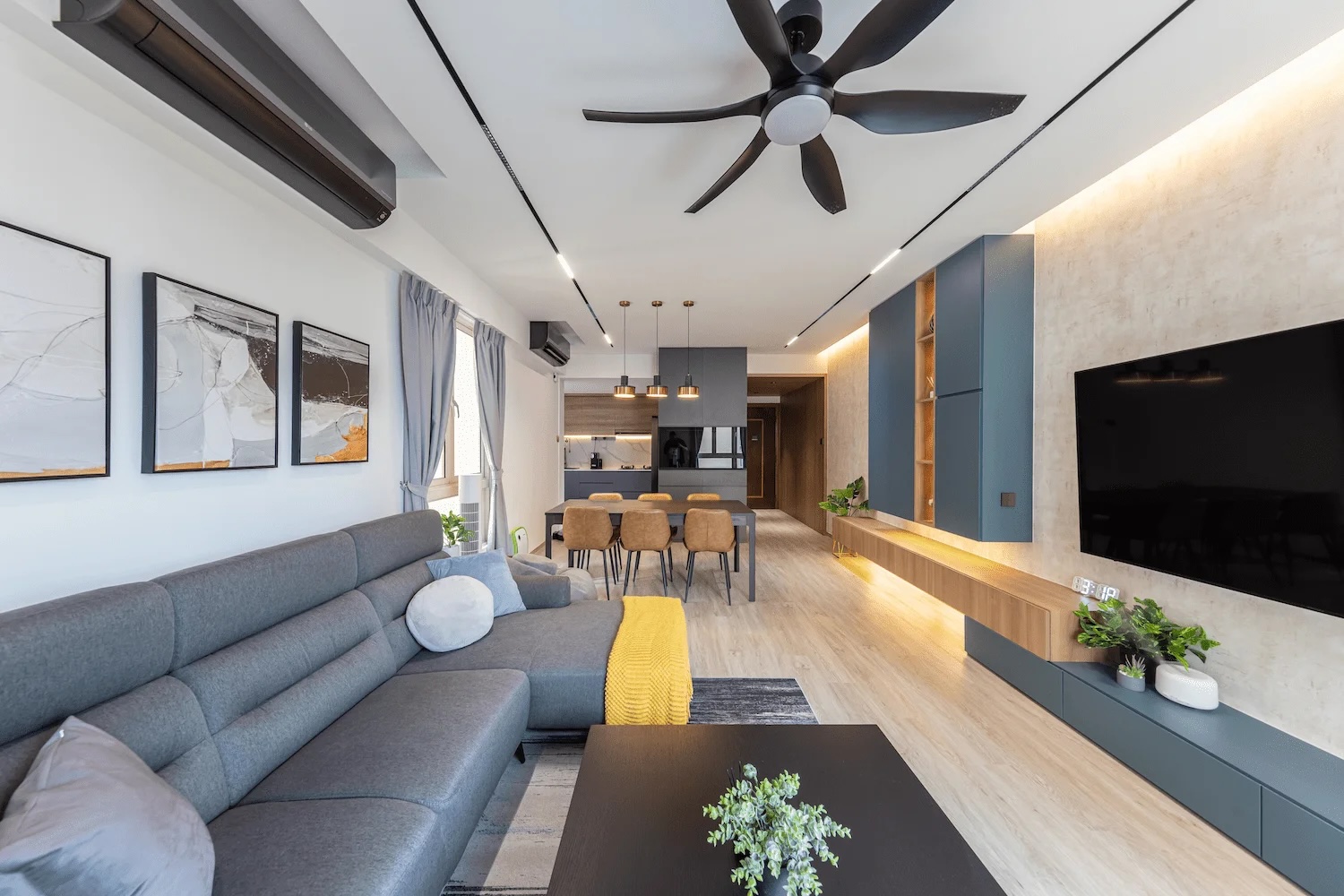
Projects that Hiverlab has worked on include real estate, education, tourism and corporate training. They create VR for a variety of uses, including showing properties to potential clients, training staff and engaging with audiences in the most immersive way possible.
Real estate developers can use virtual property tours to give interested customers a first glance at not yet completed properties. Schools can set up virtual labs and classrooms to offer their students hands-on learning opportunities in a space-less setting. Museums can set up interactive exhibits that allow visitors to participate, in contrast to regular exhibits where visitors just walk by and look at things.
The Broader Impact of VR
Within Singapore’s wider digital ecosystem, these companies contribute by producing a range of new products for the Singaporean market. For example, urban planning can be made more visual and therefore more effective by using VR to design new developments.
In the near future, AI-powered VR will be able to guide people around in a city, or even complete virtual internships worldwide. Virtual science experiments will also be possible, and it will be very exciting. Who knows, it might even lead to many innovations.
Conclusion
Immersive experiences, or Virtual Reality (VR) in Singapore, are not just concepts of the future. Experiences in education, work, tourism and cultural heritage are being transformed. These experiences are being created by several Singapore-based companies. They are utilising a combination of creativity, technology and local knowledge to provide meaningful and engaging experiences for people.
These companies are making a difference in laying the foundation for more immersive experiences for Singapore and showing us how we can interact with the world around us in a more natural, exciting and human way.