Temporary Wine Storage in Singapore: A 2026 Guide
Let’s talk about who needs short-term wine storage, what proper temporary storage should actually include, and how to pick a partner you can trust with someone’s collection.
Most storage advice assumes you’re setting something up forever. A lot of real storage needs aren’t like that at all. You’re moving house, you’re mid-renovation, you’re waiting out a lease, or your facility has just run out of room. The wine still needs the same care it always did, only for a shorter and often fuzzy stretch of time.
Here’s how contemporary, temporary wine storage works in Singapore in 2026, and what tells a safe option apart from an expensive mistake.
Who Actually Needs Temporary Wine Storage
The crowd is wider than you’d guess. Let’s discuss who should consider temporary wine storage:
- A collector between homes needs somewhere secure to park a cellar for a few months.
- Someone renovating a wine room can’t leave bottles cooking in a hallway while the contractor runs late.
- A buyer who’s just landed a big auction lot needs a stable home for it before sorting out permanent space.
And on the trade side, storage operators and importers hit capacity walls where they can’t take another pallet without threatening the conditions they’ve promised everyone else.
The common thread is that the need is genuine but time-limited, and the standard can’t slip just because it’s short. Wine has no idea it’s only booked in for three months. Six bad weeks can undo years of careful ageing, and in this climate that happens faster than people expect.
Why “Temporary” is No Excuse to Drop the Standard
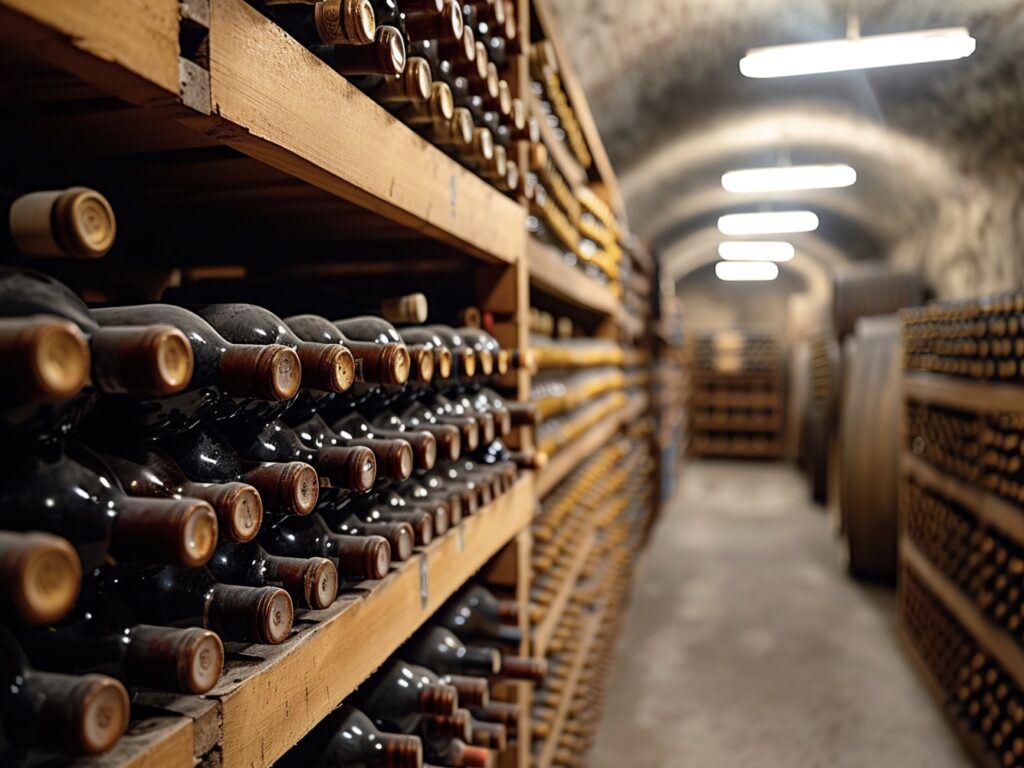
There’s a quiet assumption that short-term storage can go a bit easy on conditions. It’s one of the pricier mistakes in this whole business. Prolonged exposure to temperatures above around 20°C can accelerate ageing and increase expansion inside the bottle over time, potentially stressing the cork and increasing the risk of seepage. Once that’s happened, it’s done. Cooling it back down later fixes nothing.
Humidity runs a close second. Too dry and corks shrink and let air creep in. Too damp and you get mould and ruined labels, which dents both the wine and its resale appeal. Then the sneaky ones. Vibration unsettling sediment in older bottles. UV light quietly cooking delicate whites and champagnes. None of these sends up a flare. They just turn up later, in the glass or in a lowball offer, long after the damage is done.
What Proper Temporary Storage Should Include
If you’re weighing up options, hold them to the same conditions you’d want from permanent storage. Anything softer is a false economy. The things worth insisting on:
- A steady temperature held in the low-to-mid teens Celsius, not left to drift with the weather outside.
- Humidity kept roughly in the 60 to 75% band, enough to keep corks sound without inviting mould.
- Low vibration and minimal light, so older bottles and delicate styles aren’t quietly degraded.
- Monitoring the facility can actually show you, rather than just describe.
- Proper security, with a documented record of everything going in and out.
- Insurance that covers the wine while it sits in someone else’s hands.
Treat any of these as an optional extra, and that tells you something about how the wine will be treated. They aren’t premium features. They’re the baseline for handling something this sensitive, however briefly you’re handling it.
Choosing the Right Temporary Wine Storage Duration
Something that gets missed: duration. Seasonal overflow is a different problem from waiting out a nine-month renovation, and the terms should say so.
Around three months
Best for the short gaps. A house move, a lot of wine waiting to be rehomed, a facility riding out a busy stretch. It’s the natural default when you don’t yet know how long you’ll need the space.
Around six months
Fits a known transition. A cellar renovation that’s overrun, a lease change, a warehouse expansion that’s underway but not finished. You know it’ll resolve, just not this minute.
Around nine months, or rolling
For bigger, slower-moving consignments, or for trade operators who treat overflow as an ongoing fact of life rather than a one-off. An open-ended rolling arrangement is rarer, but for the right situation it’s the most practical structure going.
What Temporary Storage Costs, Roughly
Pricing swings enough that any single figure would mislead, but the levers are steady, so it’s worth knowing what moves the number. Volume, duration, conditions. More cases cost more. Longer commitments often come with better per-unit rates. Full climate-controlled, insured, monitored storage costs more than a bare unit, precisely because it does more.
The trap is judging on the headline monthly rate. Handling fees, retrieval charges, insurance, access terms; they all feed the real cost, and a cheap-looking rate can hide extras that only surface the moment you actually use the service. A slightly higher all-in price with proper conditions and clear terms usually wins, especially when the cheap alternative is quietly degrading the wine. Look for transparent, duration-based pricing so you’re planning around a figure you can see.
The Trade Angle: Capacity Pressure is Real
For storage operators and importers specifically, temporary space has turned into a real strategic tool rather than a last resort. Demand for professional wine care in Singapore keeps rising, client collections outgrow everyone’s plans, and expanding a warehouse costs capital and time you don’t always have to spare. That leaves gaps where you can’t say yes to a good client without risking what you’ve already guaranteed the others.
Handled well, a reliable overflow partner flips that around. It’s the difference between turning business away and taking it on without compromise. And the liability point deserves saying straight. If a client’s wine is damaged in an overflow arrangement you set up, the fact that it was temporary doesn’t shift the responsibility off you. The trust a client hands you doesn’t come with fine print.
Frequently Asked Questions
How short can temporary wine storage be?
Arrangements commonly start around three months, which covers house moves, renovations, and seasonal overflow. Shorter needs can often be accommodated, but the key point is that the conditions shouldn’t change with the duration. Wine needs the same care whether it’s stored for three months or three years.
Is temporary storage safe for valuable or investment wine?
It is, provided the facility keeps full professional conditions: stable temperature, controlled humidity, low vibration, security, monitoring, and insurance. Judge a temporary option by the same standard you’d apply to permanent storage. Anything looser puts the value of the collection at risk.
Can businesses use temporary storage for overflow stock?
Yes, and it’s increasingly common. Storage operators and importers use temporary, often palletised, arrangements to handle capacity crunches without compromising the conditions promised to existing clients. Flexible, duration-based terms let them scale up and down as demand shifts.
What should I check before choosing a provider?
Confirm documented climate control, low-vibration and low-light conditions, chain-of-custody records, goods-in-storage insurance, and terms that match your real timeline. Ask to see monitoring records rather than taking a description on trust. If the basics are treated as optional, look elsewhere.